

Follow us
Stay connected with our latest news & stories from Jean-Micheal Cousteau Resort Fiji



STORIES
Gardenia
Gardenia
Characteristics
Evergreen shrub, rounded habit, dense branches. Bark greyish. Leaves dark green, shiny, leathery, with prominent veins, opposite. Flowers white, up to 10 cm in diameter, matte texture in contrast to the glossy leaves, among the most strongly fragrant of all flowers.
Distribution
Native to India, Southern China and Southeast Asia. With its shiny leaves and heavily fragrant white flowers, it is widely used in gardens in warm temperate, subtropical and tropical climates, and as a houseplant in temperate regions.
Natural Medical Properties
| The whole plant is antispasmodic, antiperiodic, cathartic, anthelmintic and external-antiseptic. The bark contains beta-sitosterol and nonakosane, the leaves and flowers contain mannite.The seeds contain starch and an oil which is principally composed of palmitic, oleic and linoleic acid. The roots are used to treat headache, dyspepsia, nervous disorders, and fever. The leaves are applied in febrifugous poultices. |
The fruits are used against jaundice and diseases of the kidneys and lungs.
Did you know?
| Gardenia has been in cultivation in China for at least a thousand years and was introduced to English gardens in the mid-18th century. Many varieties have been bred for horticulture. |
Related (same family) to coffee (Coffea arabica, # 6).
Literature
World Flora Online
WorldChecklist of Selected Plant Families
A working list of all plant species
AWARDS
A chorus of acclaim with prestigious awards
Each recognition echoes the resort's unwavering commitment to environmental responsibility and authentic Fijian experiences.

SUBSCRIBE
Stay up to date
To stay in touch and be inspired by our latest news & stories from Jean-Micheal Cousteau Resort Fiji, please register your interest.
Jean-Michel Cousteau Resort, an island paradise of relaxation and immersive exploration. Our award-winning Kids Bula Club features eco-programmes for young adventurers, with exclusive nannies for children under 6 and Fiji buddies for older kids and teens included in our all-inclusive rates.
DIRECT CALL
USA & Canada Toll-free (800) 246 3454
Australia Local call fee +613 9010 6228
Fiji +679 8850 174
WhatsApp +679 992 8280
EMAIL
bula@fijiresort.com
LOCATION
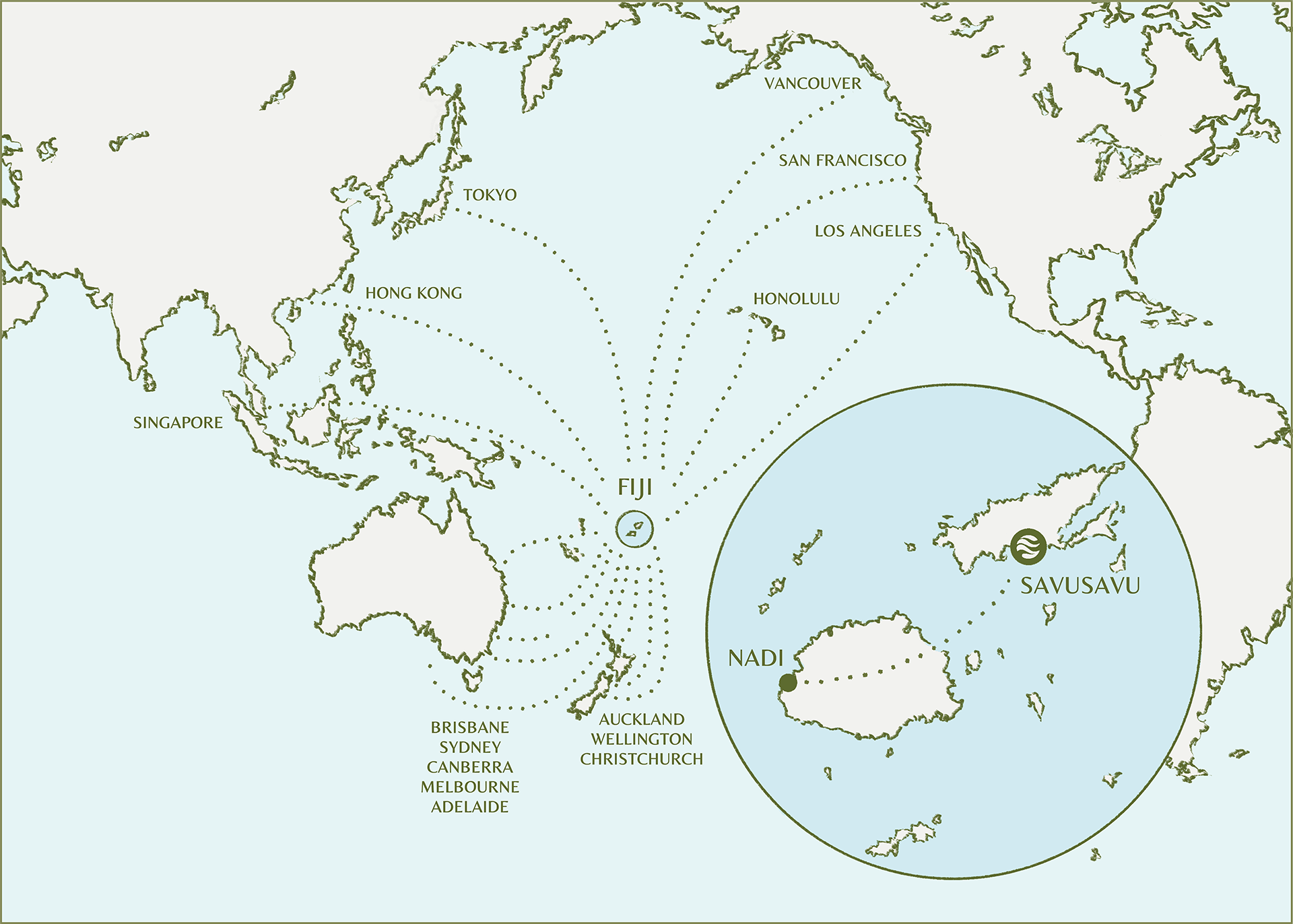
Lesiaceva Point Road, Savusavu, Vanua Levu, Fiji Islands