

Follow us
Stay connected with our latest news & stories from Jean-Micheal Cousteau Resort Fiji



STORIES
Dwarf Cavendish Banana (Fijian: Jaina leka)
Dwarf Cavendish Banana (Fijian: Jaina leka)
Characteristics
The cultivar “Dwarf Cavendish” is due to its shortness more stable, wind-resistant and easier to manage than other banana plants. This, in addition to its fast growth rate, makes it ideal for plantation cultivation. The fruits range from 15 to 25 cm in length and are thin skinned. Each plant can bear up to 90 fingers.
Distribution
Musa acuminata is native to Southeast Asia and first cultivated by humans around 10’000 years ago. The variety “Cavendish” was first cultivated in Europe in the 19th century and shipped to various places in the Pacific and the Canary Islands. In 1888, bananas from the Canary Islands were imported into England and are known to belong to the “Dwarf Cavendish” cultivar.
Natural Medical Properties
No known.
Did you know?
| Banana plants are evergreen perennials, not trees! The trunk (known as the pseudostem) is made of tightly packed layers of leaf sheaths emerging from completely or partially buried corms.
The name “Dwarf Cavendish” is in reference to the height of the plant, not the fruit. |
Botanically, bananas are berries.
Literature
World Flora Online
WorldChecklist of Selected Plant Families
A working list of all plant species
AWARDS
A chorus of acclaim with prestigious awards
Each recognition echoes the resort's unwavering commitment to environmental responsibility and authentic Fijian experiences.

SUBSCRIBE
Stay up to date
To stay in touch and be inspired by our latest news & stories from Jean-Micheal Cousteau Resort Fiji, please register your interest.
Jean-Michel Cousteau Resort, an island paradise of relaxation and immersive exploration. Our award-winning Kids Bula Club features eco-programmes for young adventurers, with exclusive nannies for children under 6 and Fiji buddies for older kids and teens included in our all-inclusive rates.
DIRECT CALL
USA & Canada Toll-free (800) 246 3454
Australia Local call fee +613 9010 6228
Fiji +679 8850 174
WhatsApp +679 992 8280
EMAIL
bula@fijiresort.com
LOCATION
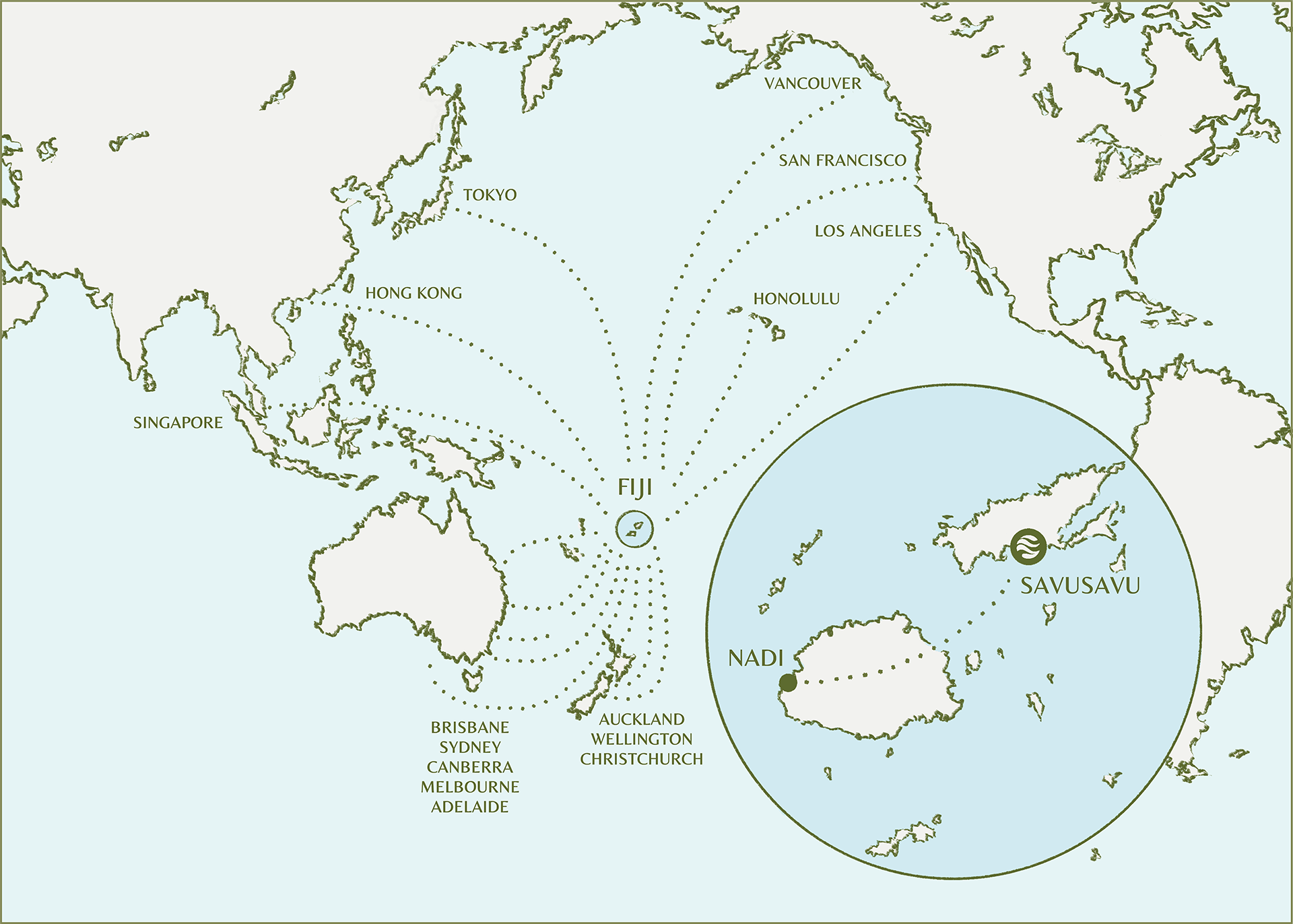
Lesiaceva Point Road, Savusavu, Vanua Levu, Fiji Islands