

Follow us
Stay connected with our latest news & stories from Jean-Micheal Cousteau Resort Fiji



STORIES
Eggplant
Eggplant
Characteristics
Delicate, tropical, perennial plant, often cultivated as a half-hardy annual plant in temperate climates. Stem spiny. Flowers white to purple, with a five-lobed corolla and yellow stamens. Fruit edible but low in nutrients, but the capability of the fruit to absorb oils and flavours into its flesh through cooking expands its use in the culinary arts.
Distribution
Native to India. Cultivated in Southern and Eastern Asia since prehistoric. Today grown worldwide for its edible fruit.
Natural Medical Properties
| The aubergine is used mainly as a food crop, but it does also have various medicinal uses that make it a valuable addition to the diet. The fruit helps to lower blood cholesterol levels and is suitable as part of a diet to help regulate high blood pressure.
The warmed fruit paste is applied to painful joints. The fruit is anti-haemorrhoidal and hypotensive. It is also used as an antidote to poisonous mushrooms. It is bruised with vinegar and used as a poultice for cracked nipples, abscesses and haemorrhoids. The leaves are narcotic and poisonous. A decoction is applied to discharging sores and internal haemorrhages. A soothing and emollient poultice for the treatment of burns, abscesses, cold sores, haemorrhoids and similar conditions can be made from the leaves. Aubergine leaves are toxic and should only be used externally. |
The juice of the root is used in the treatment of otitis and toothache.
Did you know?
| Botanically, eggplant is not a vegetable but a berry. |
Eggplant is very close related (same genus) to potatoes (Solanum tuberosum) and tomatoes (Solanum lycopersicum).
Literature
World Flora Online
WorldChecklist of Selected Plant Families
A working list of all plant species
AWARDS
A chorus of acclaim with prestigious awards
Each recognition echoes the resort's unwavering commitment to environmental responsibility and authentic Fijian experiences.

SUBSCRIBE
Stay up to date
To stay in touch and be inspired by our latest news & stories from Jean-Micheal Cousteau Resort Fiji, please register your interest.
Jean-Michel Cousteau Resort, an island paradise of relaxation and immersive exploration. Our award-winning Kids Bula Club features eco-programmes for young adventurers, with exclusive nannies for children under 6 and Fiji buddies for older kids and teens included in our all-inclusive rates.
DIRECT CALL
USA & Canada Toll-free (800) 246 3454
Australia Local call fee +613 9010 6228
Fiji +679 8850 174
WhatsApp +679 992 8280
EMAIL
bula@fijiresort.com
LOCATION
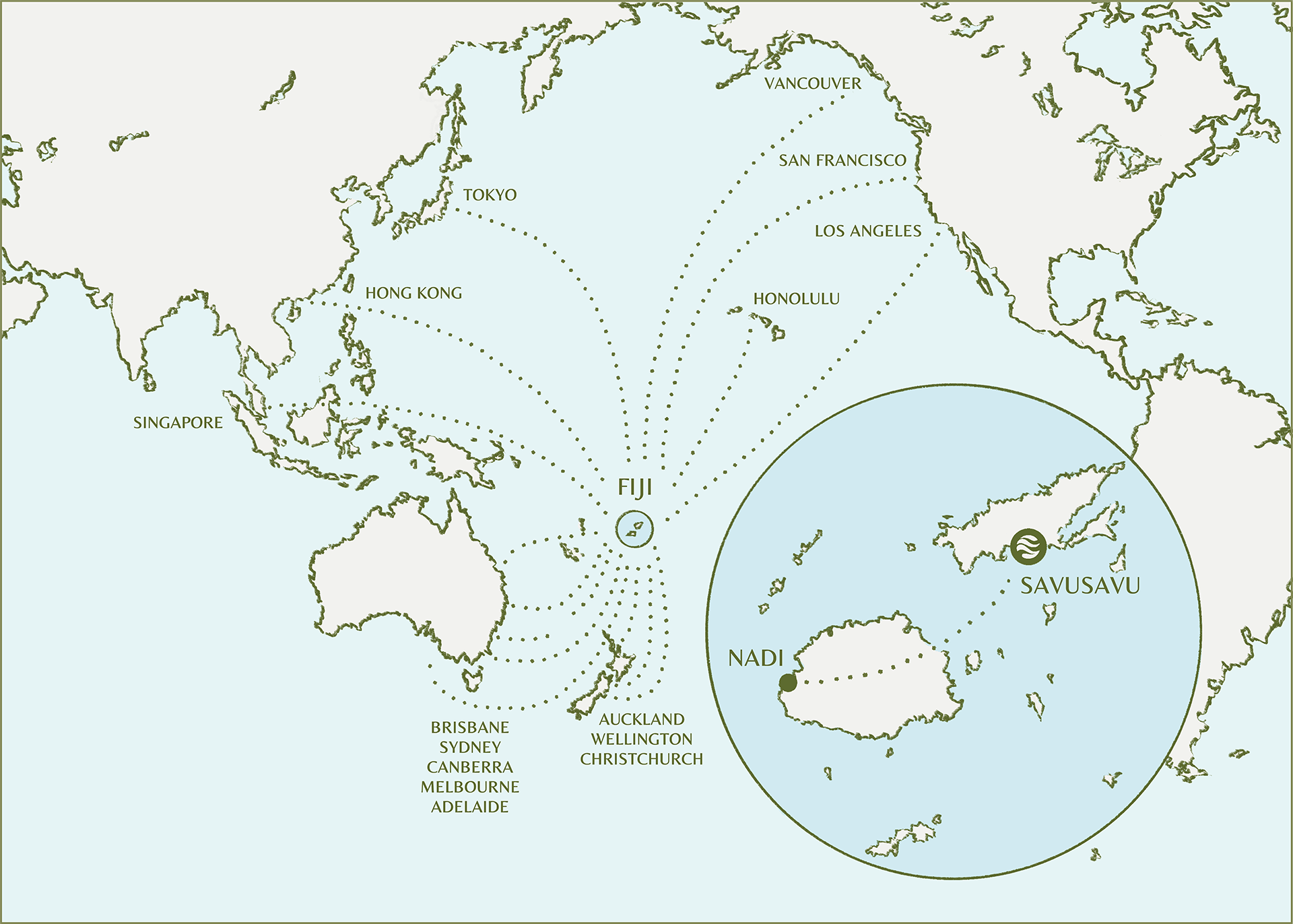
Lesiaceva Point Road, Savusavu, Vanua Levu, Fiji Islands